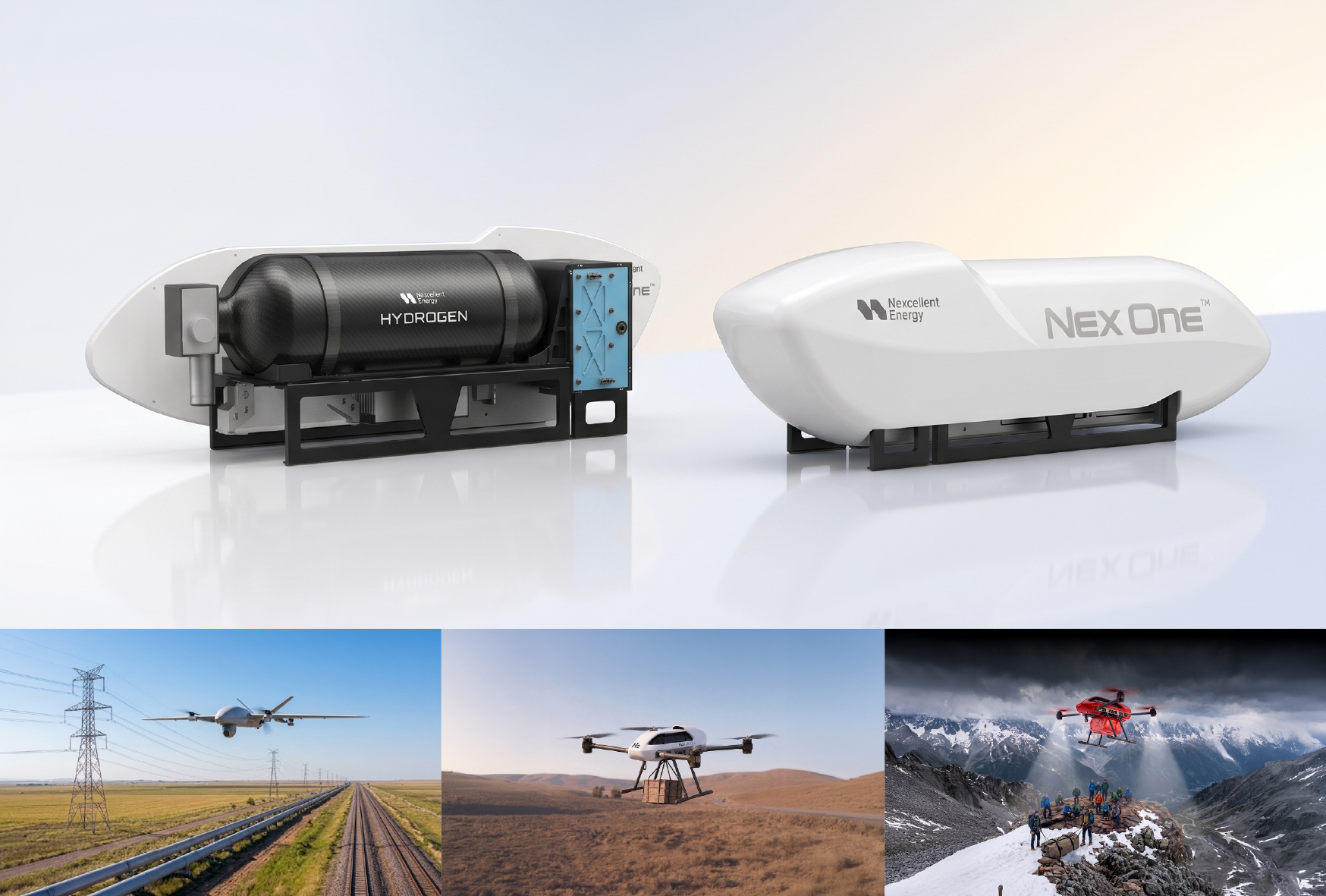
As the UAV industry becomes increasingly specialized, flight endurance, power technology, and operational efficiency are emerging as key drivers of product development.
When evaluating UAVs, people typically focus on flight time, payload capacity, flight range, and image quality. These are all important performance indicators.
However, as UAVs become more widely adopted in infrastructure inspection, agriculture, engineering surveying, and logistics, users are beginning to consider a broader range of practical factors:
How long can a UAV operate on a single mission? How much manpower is required? How frequently do batteries need to be replaced or recharged? And can the system reliably support extended operations?
These evolving requirements are bringing power systems and overall operational efficiency into sharper focus across the UAV industry.
Lithium-ion batteries remain the primary power source for most UAVs today, offering mature technology, convenient operation, and proven performance for aerial photography and short-duration missions.
However, for applications such as long-range infrastructure inspection, large-area monitoring, and cargo delivery, flight endurance can significantly affect mission planning and execution. Frequent returns for battery replacement or recharging can increase turnaround time and add to operational costs.
As a result, extending flight endurance and reducing energy replenishment time have become important directions in UAV development.
Hydrogen fuel cells generate electricity through an electrochemical reaction between hydrogen and oxygen. With high system-level energy density and strong potential for extended flight applications, hydrogen fuel cells offer an alternative power solution for UAV platforms.
The development of hydrogen-powered UAVs is opening up new possibilities for extended duration flight missions.
For applications such as infrastructure inspection, remote area logistics, and continuous aerial monitoring, flight endurance directly influences flight routes, mission coverage, and manpower requirements.
Of course, actual flight performance depends on several factors, including payload weight, system weight, operating conditions, and overall propulsion system configuration.
As fuel cell and hydrogen storage technologies continue to advance, hydrogen is becoming an increasingly important option for the next generation of specialized UAV applications.
Nexcellent Energy continues to invest in hydrogen fuel cell and UAV power system development.
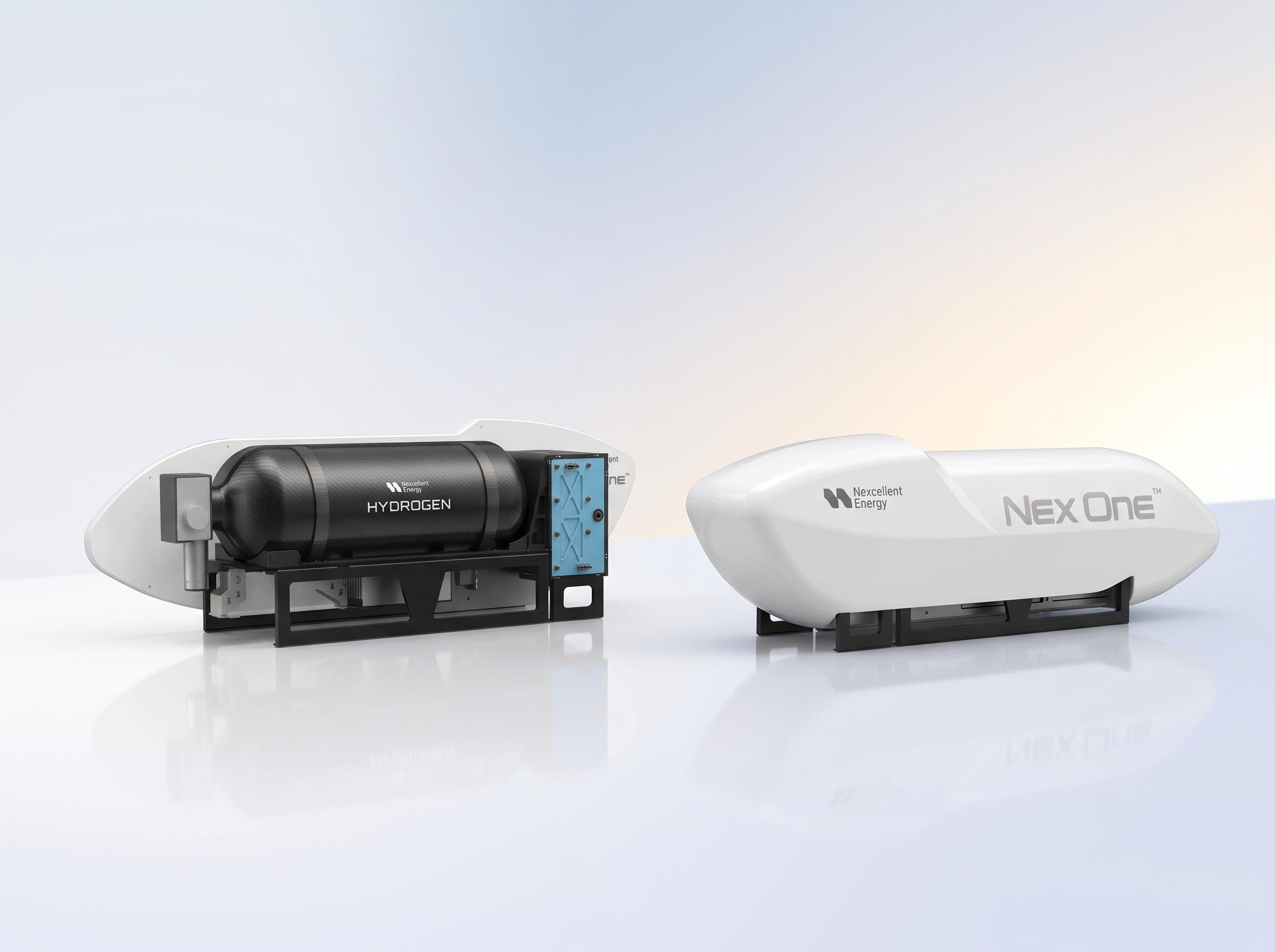
Our company offers hydrogen-powered UAVs and fuel cell power modules designed for extended flight operations. Modular system architecture allows power configurations to be optimized based on specific mission requirements.
In addition to UAV power systems, Nexcellent's product portfolio includes fuel cell systems, hydrogen production and refueling equipment, and hydrogen storage solutions, supporting continued growth in hydrogen energy integration capabilities.
Extended flight endurance enables UAVs to undertake a wider range of long-duration and long-distance missions.
UAVs can be deployed to inspect power infrastructure, solar farms, and large industrial facilities. Helps monitor site conditions while reducing the need for personnel to access elevated, remote, or potentially hazardous locations.
For mountainous regions, offshore places, and areas with limited transportation access, UAVs can be evaluated for the delivery of medical supplies and emergency materials, depending on payload capacity and flight range requirements.
Provides aerial observation and real-time imaging support to emergency response teams. Extended flight endurance can further support longer periods of surveillance during critical operations.
As the UAV industry continues to evolve, product competitiveness will increasingly depend on more than flight performance alone. Operational convenience, energy replenishment methods, system integration, and maintenance costs are all important considerations.
For commercial and industrial users, the key questions are whether a UAV can reliably complete its missions:
For organizations, factors such as mission reliability, reduced operational time, and long-term cost effectiveness all influence technology adoption decisions.
Nexcellent Energy continues to advance hydrogen fuel cell and UAV power module development. Through extended-endurance technology and integrated hydrogen solutions, we aim to provide the UAV industry with more options for specialized and demanding applications.
From flight performance to real-world operational value, endurance, efficiency, and power module technology will remain key factors shaping the future competitiveness of the UAV industry.
Hydrogen-powered UAVs use fuel cells to convert hydrogen into electricity, offering the potential for significantly longer flight endurance. Lithium battery UAVs benefit from mature technology and convenient charging.
Nexcellent's hydrogen-powered multirotor UAVs can achieve a maximum flight endurance of more than two hours. Actual flight time may vary depending on payload, flight conditions, and system configuration.
Hydrogen-powered UAVs can be considered for extended-duration applications such as power infrastructure inspection, solar farm monitoring, remote-area cargo delivery, and disaster response and search-and-rescue operations.
Nexcellent provides hydrogen-powered UAVs, fuel cell power system modules, hydrogen production and refueling equipment, and hydrogen storage solutions.