As AI, data centers, semiconductors, and critical infrastructure expand rapidly, electricity demand is no longer just about "having enough power"—it is about "energy resilience."
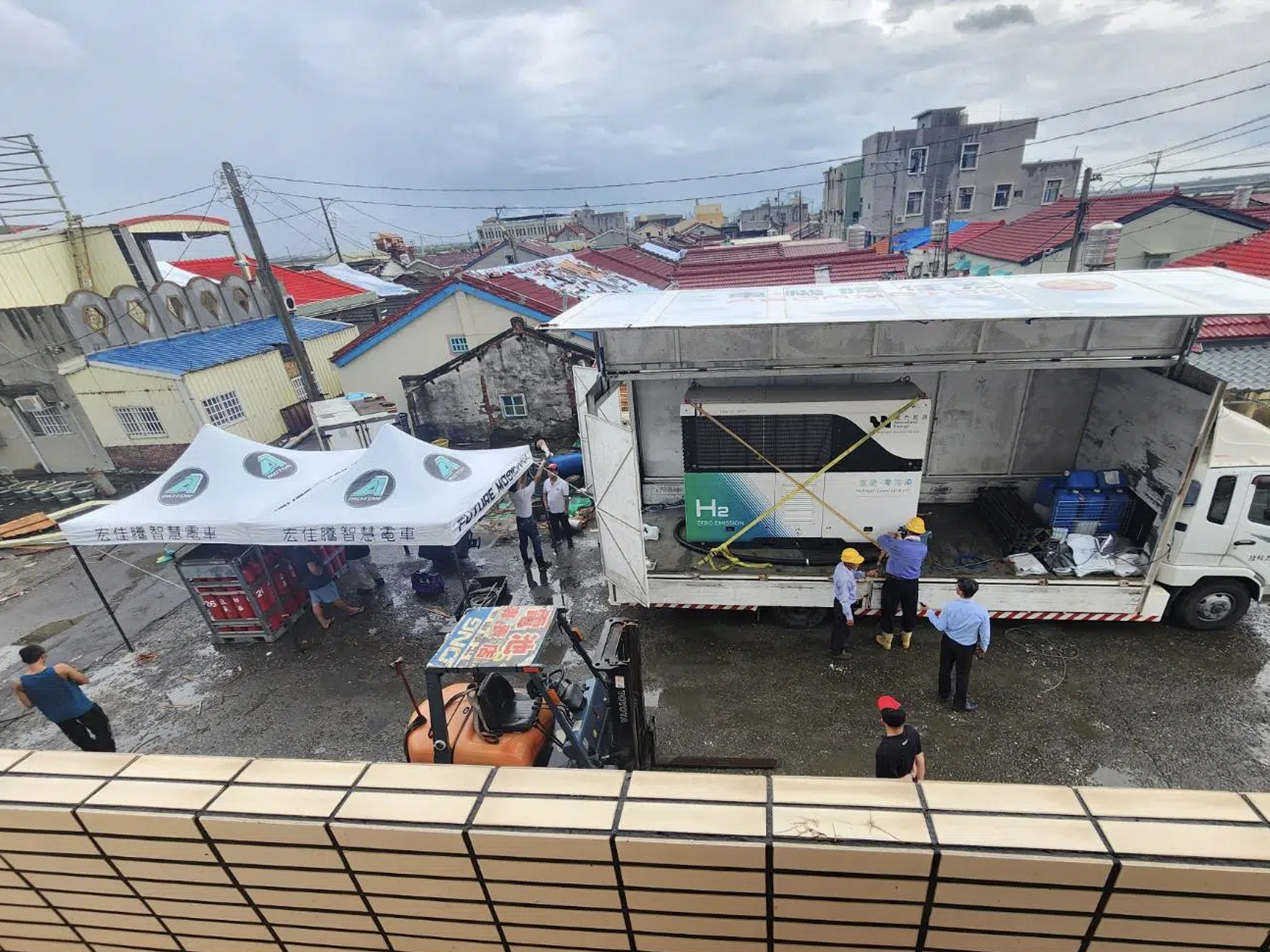
For construction sites, semiconductor facilities, hospitals, and telecom towers, power outages cause more than just a temporary breakdown. They put production, equipment, and key services at risk.
At the same time, power demand is growing faster than grid infrastructure. Facilities may be ready, but the power grid isn't there yet, creating a major supply challenge.
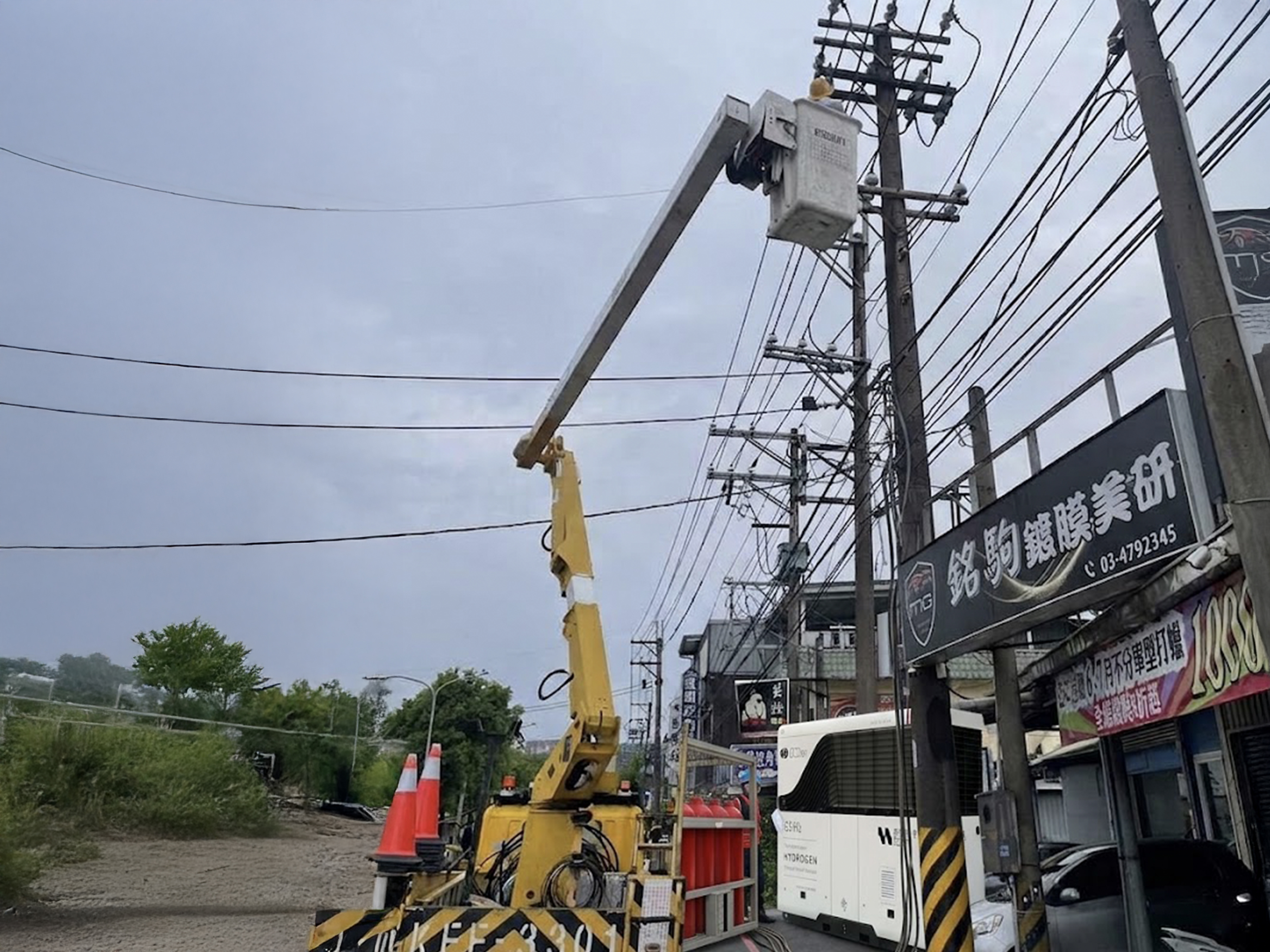
That is why future energy planning isn't just about generating more electricity. It is about keeping the power on during grid failures, disasters, or unexpected events.
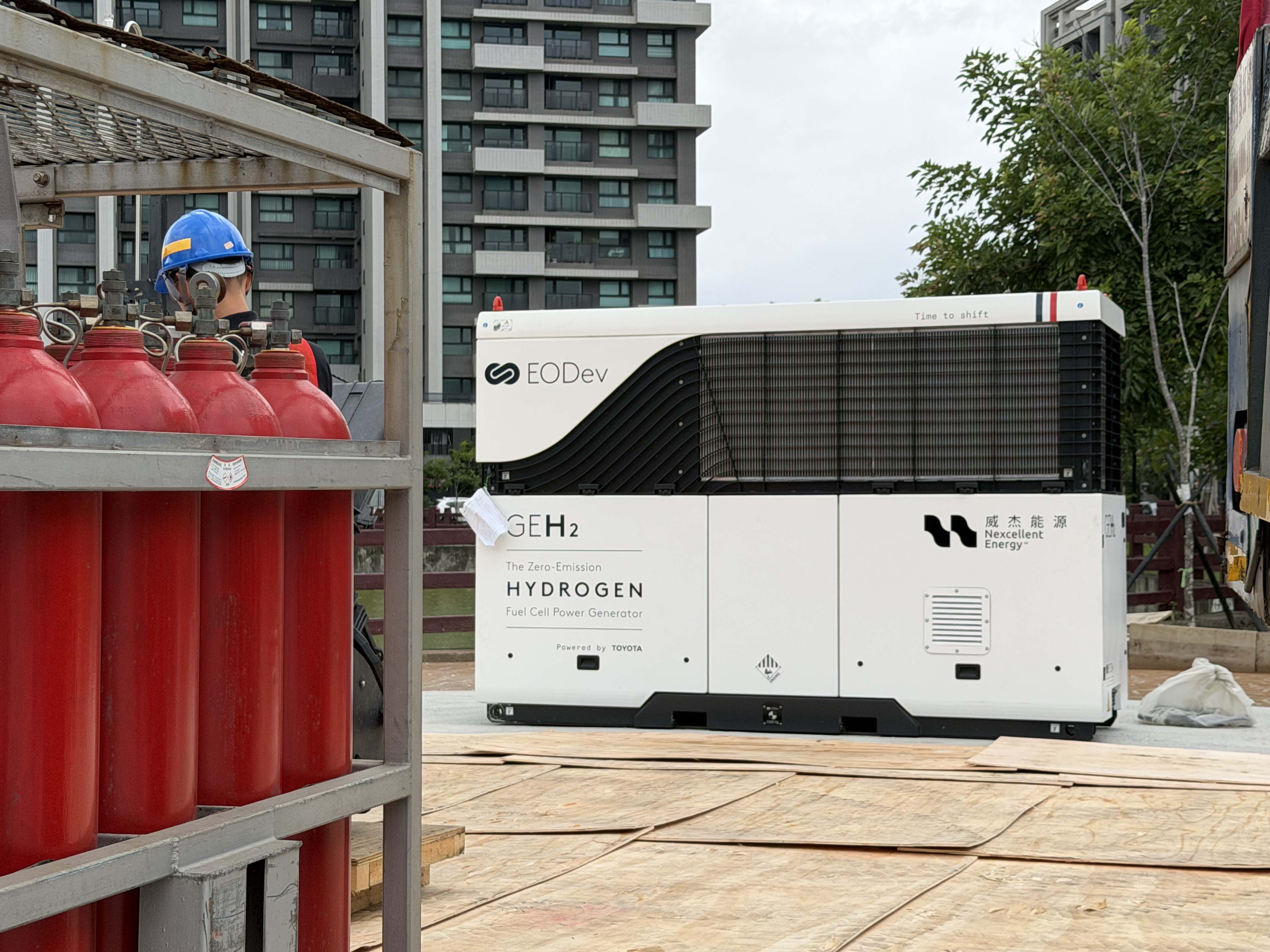
While diesel generators and energy storage systems (ESS) remain key backup options, hydrogen fuel cells offer another strong solution. With low noise, zero emissions, and long-duration power supply, hydrogen has high potential for data centers, hospitals, and critical infrastructure.
The future energy architecture will not rely on a single technology, but rather a multi-layered combination: "Power Grid + Energy Storage + Hydrogen Energy"
When energy value shifts from "having electricity" to "keeping power on at critical moments," energy resilience will become a key factor in future industrial competitiveness.
.jpg)